FIELD NOTES / November 07, 2026
The Best Time to Visit Lone Pine, California: A Season-by-Season Guide
Discover the best time to visit Lone Pine, California, with seasonal tips for the Alabama Hills, Whitney Portal, weather, and planning.
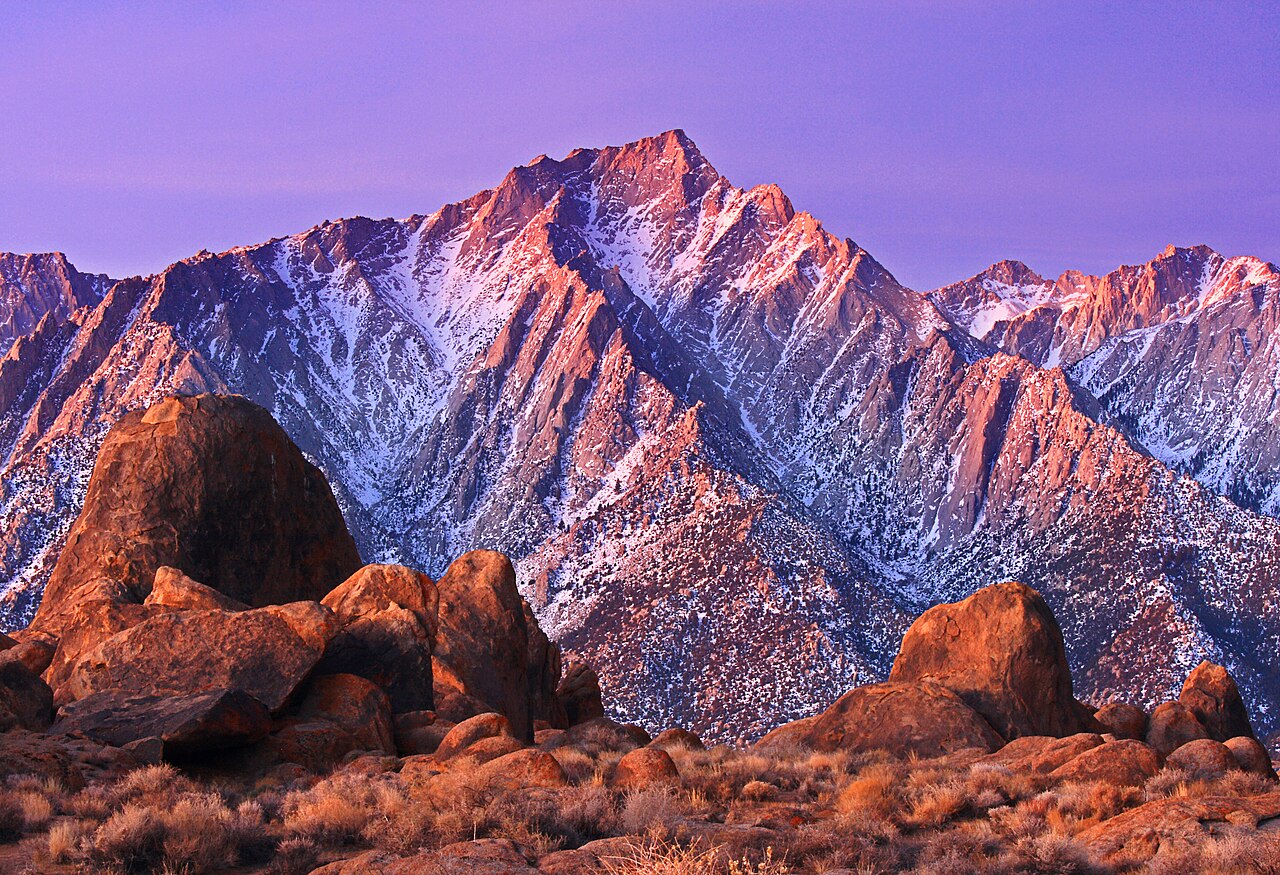
The first thing you notice about Lone Pine may be the contrast. Rounded desert boulders sit beneath a skyline of sharp Sierra peaks, and the view changes with the seasons. In spring, snow can linger high above a warming valley. Summer draws visitors toward the mountains. Fall brings softer light and cooler mornings. Winter can turn the range into a dramatic white backdrop.
So when is the best time to visit Lone Pine, California? For many visitors, spring and fall offer a comfortable starting point for exploring lower elevations. Summer is appealing for mountain trips, while winter rewards flexible travelers with striking scenery and a quieter atmosphere. The right choice depends on what you want to do—and on the conditions at the elevation you plan to visit.
Spring in Lone Pine: Desert walks and snowy peaks
Spring is a season of contrasts. The Alabama Hills may feel inviting for a walk or a morning of photography while snow remains on the higher Sierra. After a wet winter, wildflowers may appear, although timing and abundance vary from year to year. Even without a bloom, the combination of sculpted rock and mountain views can make a simple outing feel special.
Choose an established trail, bring water and sun protection, and allow time for changing temperatures. Wind and spring storms can still make a day feel cooler than expected. If you are heading toward Whitney Portal or a mountain trail, check road and trail conditions separately; snow and ice can remain long after the valley has warmed.
Summer in Lone Pine: Early starts and mountain plans
Summer is a popular time for exploring the Eastern Sierra, especially for travelers hoping to reach higher elevations. In and around Lone Pine, however, the lower-elevation desert can be very hot. An early start can make a visit to the Alabama Hills more comfortable, and a relaxed lunch in town gives you a chance to take a break from the strongest sun.
Carry more water than you expect to need, wear sun protection, and avoid overestimating what feels manageable in the heat. Temperatures in the mountains can be very different from those in town; bring layers and check for thunderstorms and other weather hazards before heading up. A route that looks clear and inviting in the morning can become dangerous when conditions change.
If Mount Whitney is on your itinerary, plan well ahead. The route is strenuous, and permits, availability, and rules depend on your itinerary and dates. Check the Inyo National Forest and Recreation.gov for current requirements before making firm plans.
Fall in Lone Pine: Cooler mornings and golden light
Fall can be a lovely time to settle into the slower rhythm of the area. Cooler mornings often suit a walk among the Alabama Hills, and the changing angle of the sun brings out texture in the granite. It is a good season to leave room in the day for photography, a meal in town, and a drive when conditions allow.
The transition is not a fixed calendar event. Early fall can still feel warm at lower elevations, while mountain temperatures can drop quickly. Days become shorter, and early storms or snow may affect higher roads and trails. Bring warm layers and a light, check opening information, and avoid assuming a summer route remains accessible.
Winter in Lone Pine: A quieter view of the Sierra
Winter offers a different kind of trip. Snow-covered peaks can rise above the darker rocks of the Alabama Hills, creating striking views from lower elevations. On a clear day, the landscape can feel especially open and still.
The tradeoff is flexibility. Days are shorter, temperatures can be cold, and mountain roads and trails may be icy, snow-covered, or closed. Whitney Portal Road is not maintained in winter and may close. Check official road and weather updates, carry suitable supplies, and choose an outing that matches the conditions and your experience. Never assume a summer trail is safe for winter travel.
Which season is best for your trip?
For easygoing sightseeing and lower-elevation walks, consider spring or fall, while checking the forecast for heat, wind, and storms. For higher-elevation adventures, summer often offers more possibilities, but snow can linger and permits may be needed. For mountain photography and a potentially quieter visit, winter can be rewarding if you are prepared to adjust your plans.
Families and first-time visitors may appreciate a flexible itinerary in any season: start with a short outing, bring the essentials, and leave time to enjoy the view. Photographers can find compelling light throughout the year; plan for safe access and respect the landscape while making an image.
What to pack for Lone Pine
Bring water, sunscreen, sunglasses, a hat, and comfortable shoes with good grip. Pack layers even when the valley is warm, especially if you plan to go higher or stay out near sunset. A downloaded map, charged phone, and backup light can be useful when service or daylight is limited. In colder weather, add appropriate insulation and check road requirements before traveling.
Tell someone where you are going and when you expect to return. Stay on designated routes, pack out your trash, and follow local signs. If you plan to camp, check current designated-site, reservation, and permit rules before setting out.
Check conditions before you go
Look up the forecast for both Lone Pine and your actual destination. For the Alabama Hills, consult the Bureau of Land Management for current access and visitor guidance. For Whitney Portal, trails, and wilderness permits, check the Inyo National Forest and Recreation.gov. Weather, access, facilities, and rules can change, so verify details close to your visit.
Whenever you come, leave a little space in the schedule. A morning walk, a safe stop for a view, or an unhurried meal can be just as memorable as a long list of destinations. In Lone Pine, the season shapes the story—but the mountains are always part of it.
Plan your visit: Alabama Hills visitor information · Inyo National Forest · National Weather Service forecast for Lone Pine · Mount Whitney permit information.
Keep exploring: Whitney Portal visitor guide · Mobius Arch hiking guide.